
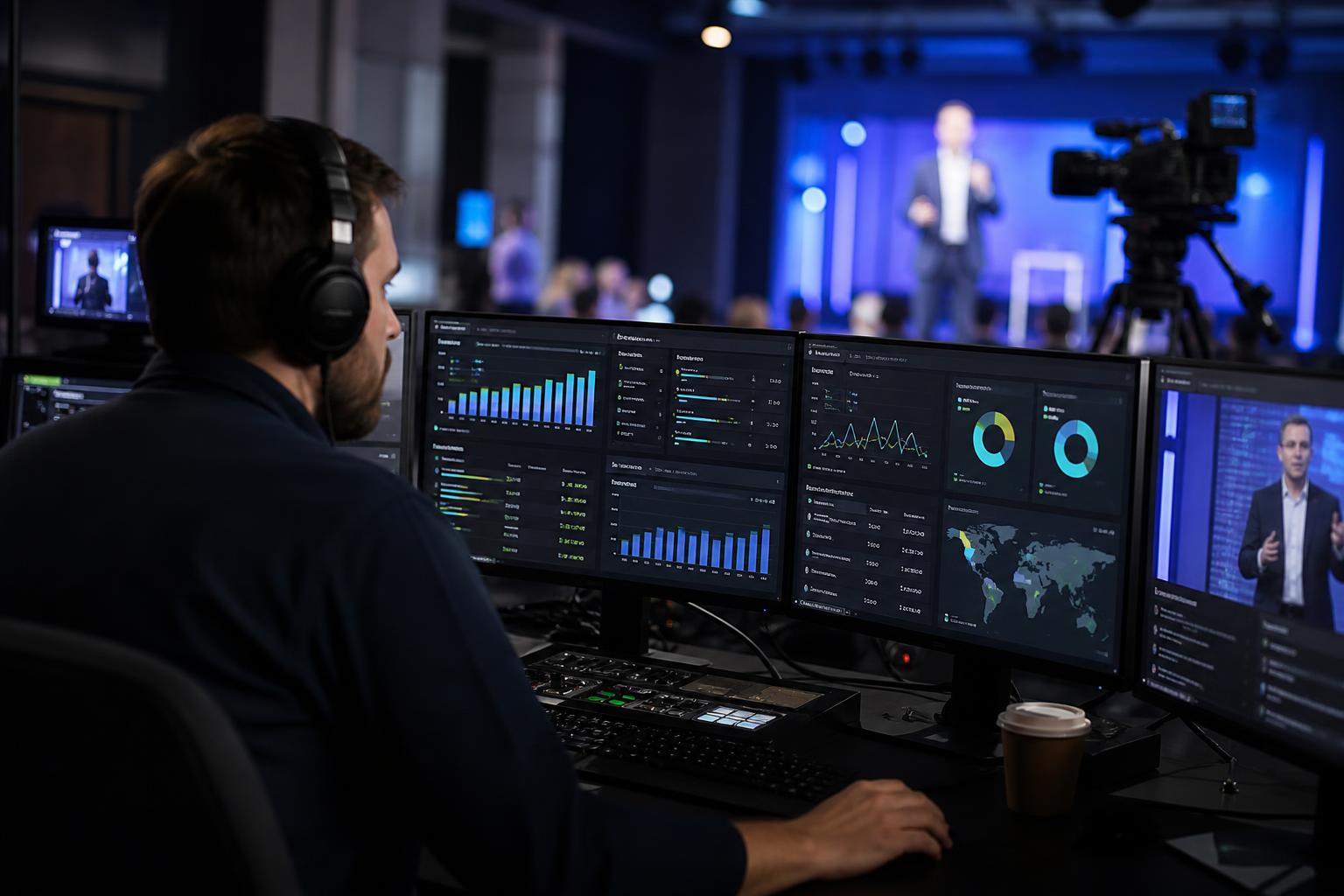
Webcast analytics turn “we went live” into “we know what worked”. A successful webcast is not only about production quality and smooth delivery; it is about reaching the right people, keeping them engaged, and driving meaningful outcomes. Analytics provide the evidence you need to improve future events, justify investment, and prove impact to stakeholders. What… Continue reading Why webcast analytics matter and how to use them
Enbecom Studios Blog
All the latest from our team
How remote webinar production is transforming business communication
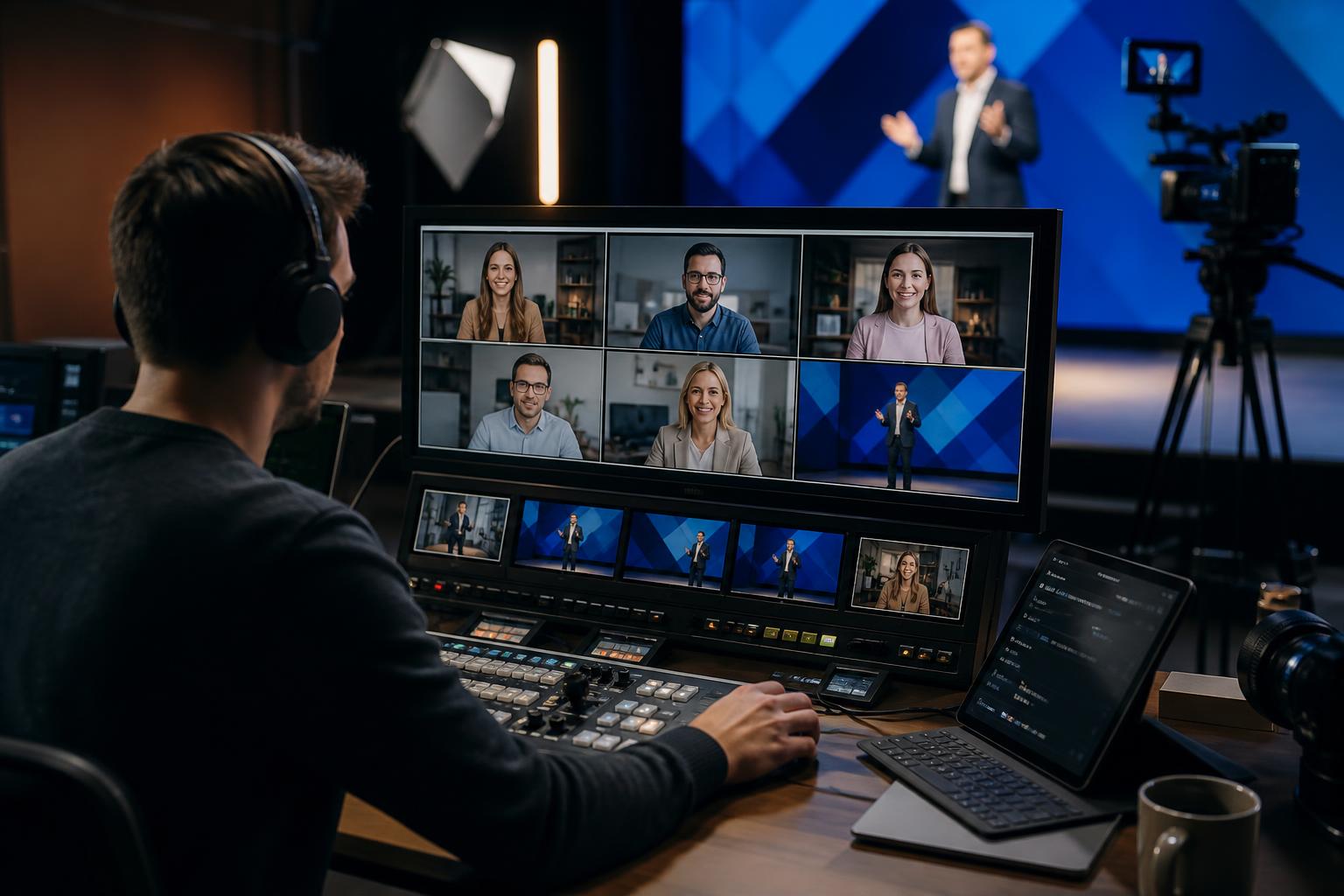
Remote webinar production has shifted from a “nice to have” to a core communications capability. As teams, customers and stakeholders have become more distributed, organisations are relying on live online events to share updates, launch products, train people and build trust at scale. What has changed most is not simply that webinars are happening more… Continue reading How remote webinar production is transforming business communication
Eco Update: July 2026
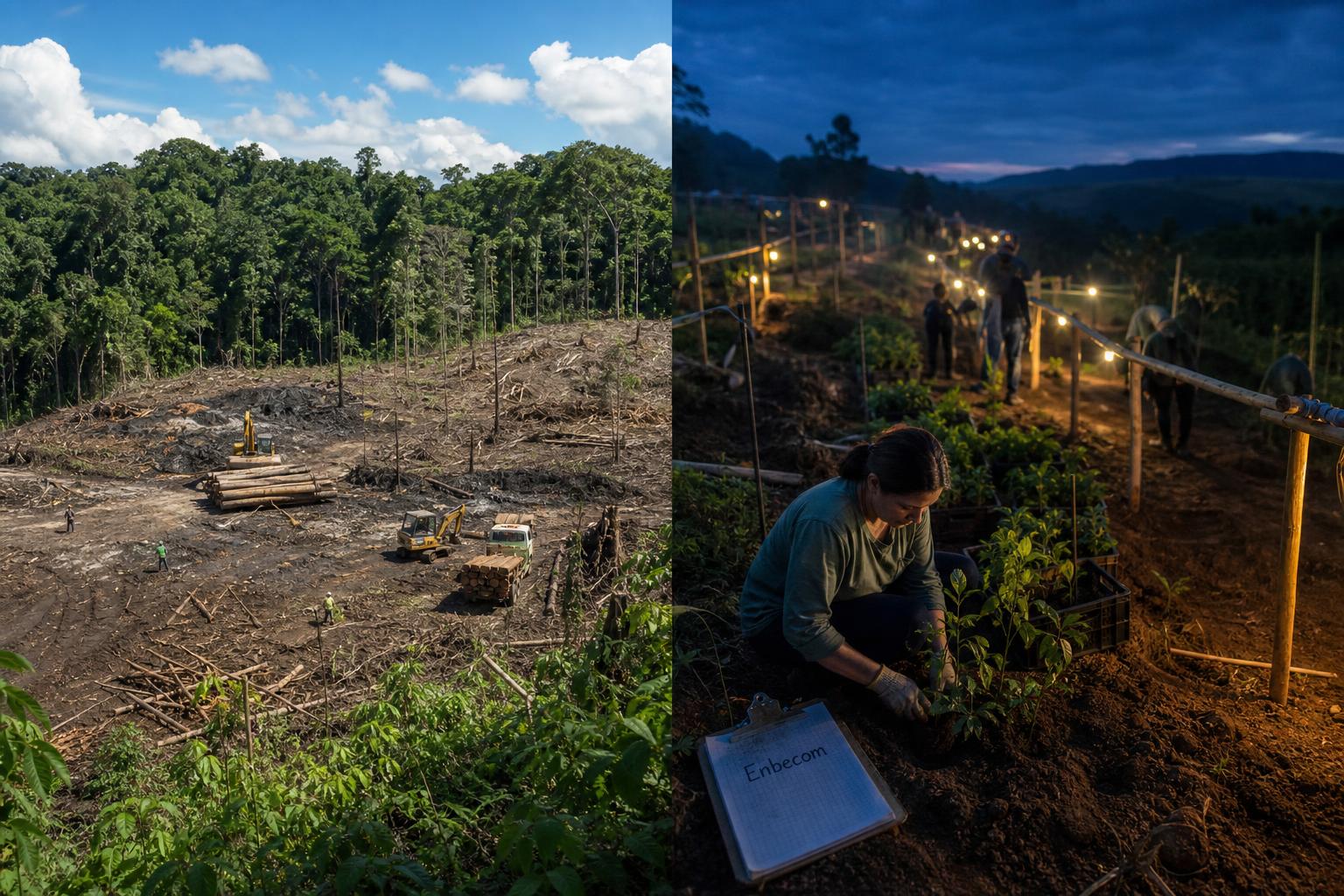
In July 2026, we’re continuing to support environmental projects around the world through our eco-project partner Ecologi. This month we’re highlighting two initiatives in Brazil: project 1, focused on conserving the Amazon, and project 2, focused on restoring degraded land in the Atlantic Forest region. Project 1: conserving the Amazon in Brazil The Amazon rainforest… Continue reading Eco Update: July 2026
Innovations in remote webinar production this year
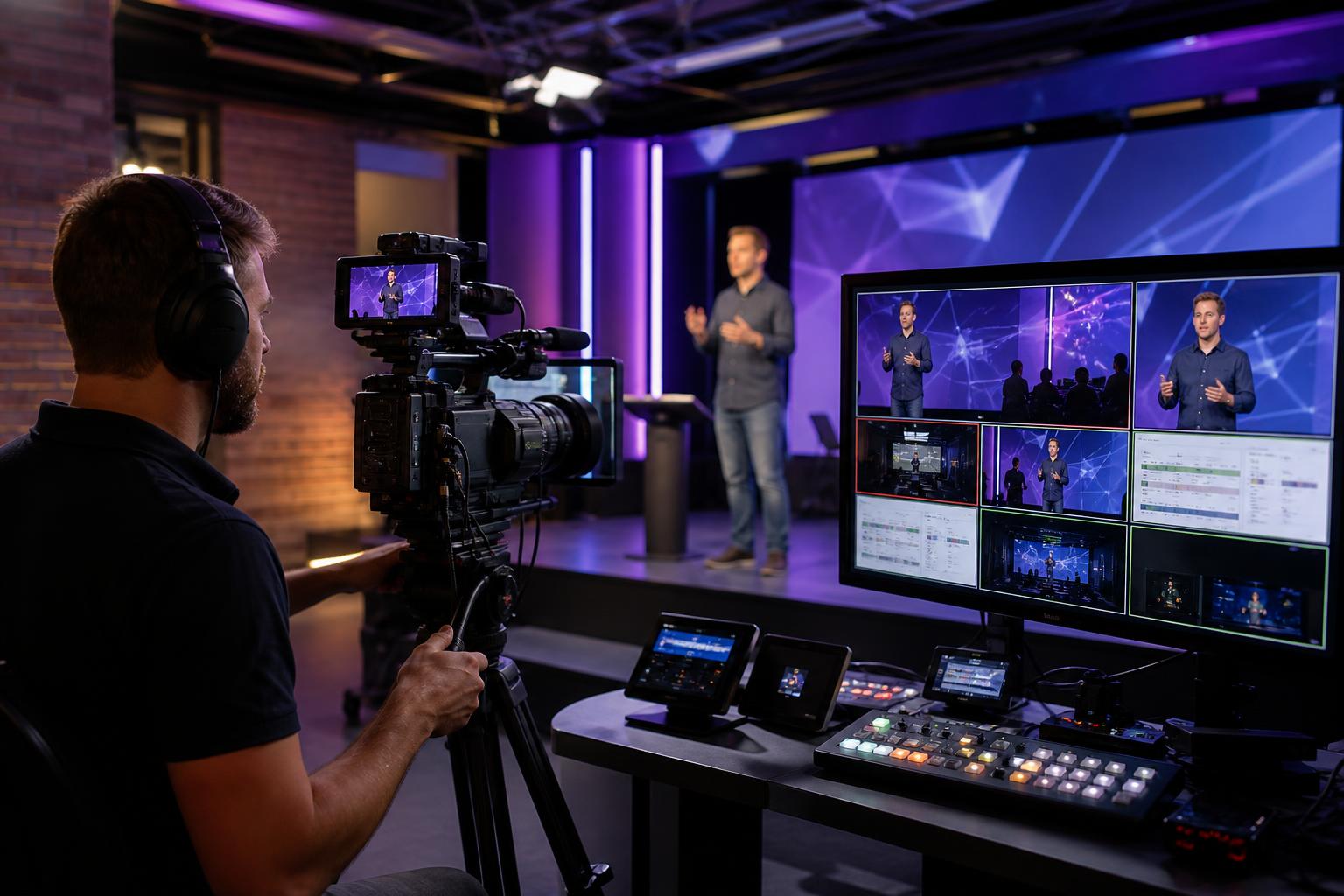
Remote production has matured from “making it work” to making it exceptional. This year’s innovations are less about flashy gimmicks and more about dependable improvements that raise quality, reduce risk, and create better experiences for audiences and presenters alike. If you run webinars for marketing, training, investor relations, internal comms, or public engagement, these developments… Continue reading Innovations in remote webinar production this year
How webinars can support product launches

Product launches are no longer single moments in time. They are campaigns that build anticipation, educate audiences, gather feedback, and sustain momentum after the initial announcement. Webinars fit naturally into this journey because they combine live storytelling, practical demonstration, and two-way interaction in a format that is easy for busy people to attend from anywhere.… Continue reading How webinars can support product launches
How to train speakers for online presentations

Start with outcomes, not slides Before you coach delivery, agree what “good” looks like. Define the audience, the single most important message, and the action you want viewers to take. Then shape the content around three to five key points, each with a clear takeaway. This makes training easier because you are improving a story,… Continue reading How to train speakers for online presentations
Why working with an experienced webinar team pays off
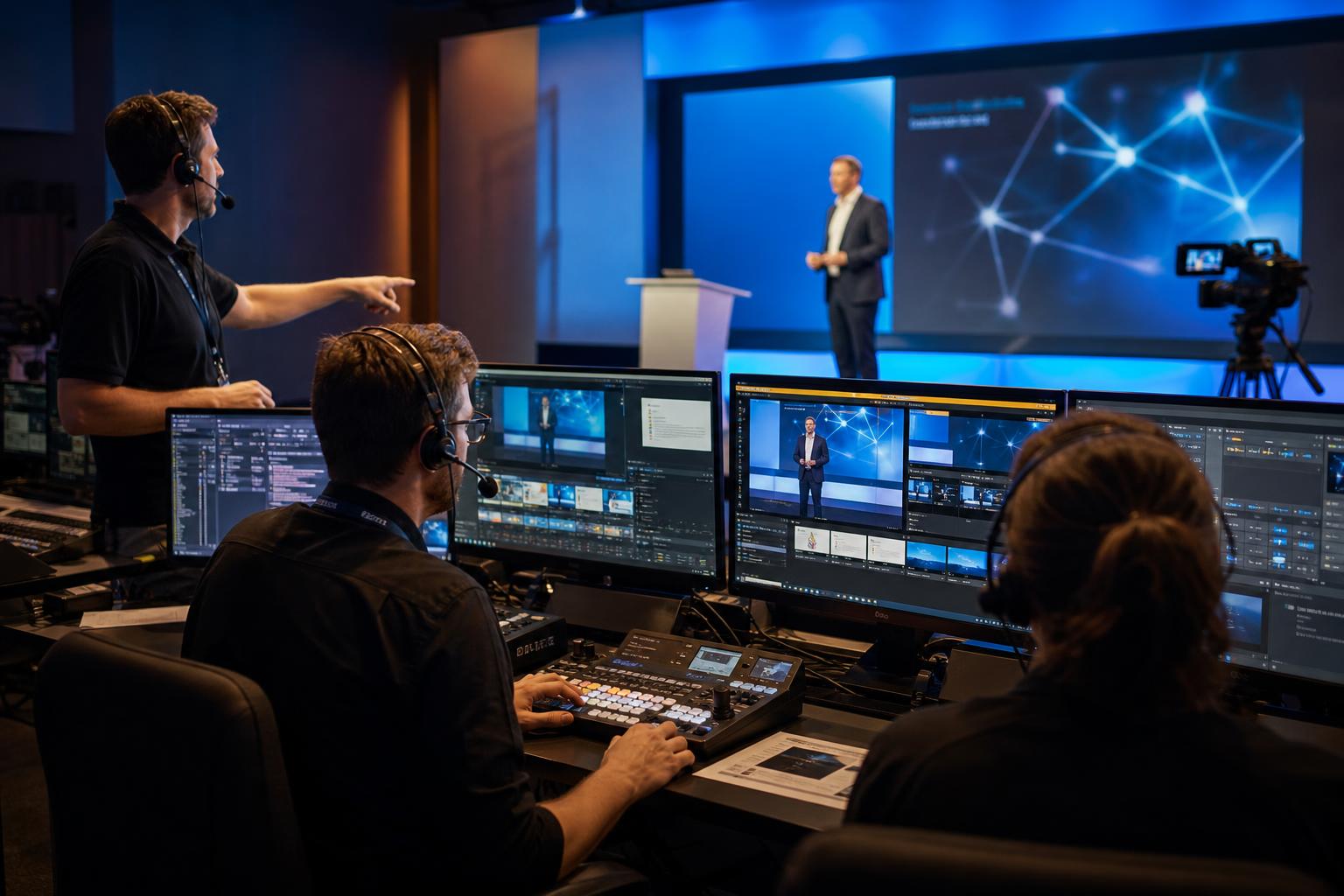
When you are live, there is no “we’ll fix it in post”. A webinar is a real-time experience where your speakers, content, audience questions and brand reputation are all on display at once. Working with an experienced webinar team turns that pressure into confidence, because the event is engineered to run smoothly, look polished, and… Continue reading Why working with an experienced webinar team pays off
Eco Update: June 2026
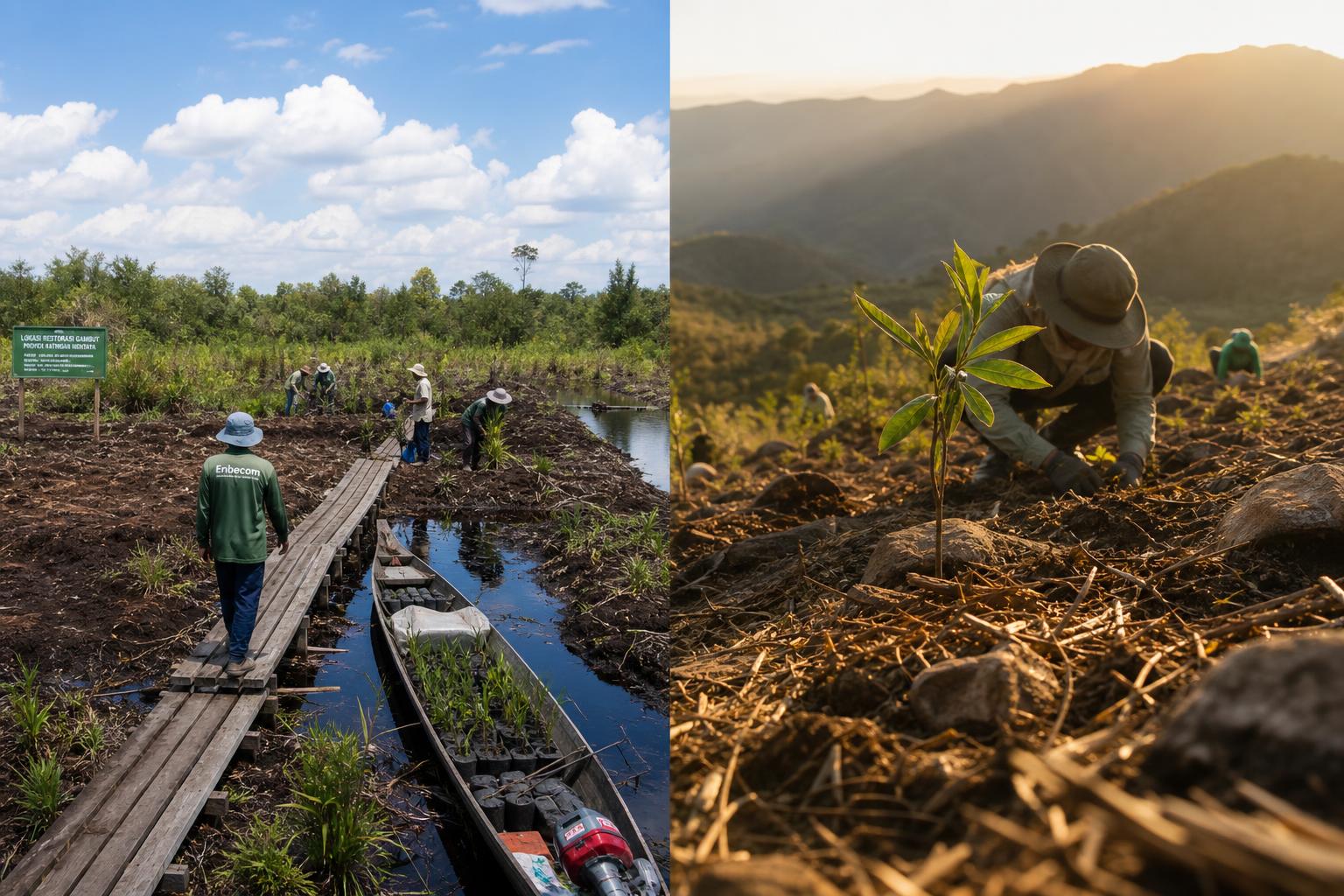
June 2026 is a great moment to reflect on the practical steps we can all take to reduce our environmental impact. Through our ongoing support of environmental projects around the world with our eco-project partner Ecologi, we are shining a light on two initiatives that make a measurable difference: Project 1, peatland restoration and conservation… Continue reading Eco Update: June 2026
Why high production value matters in virtual events
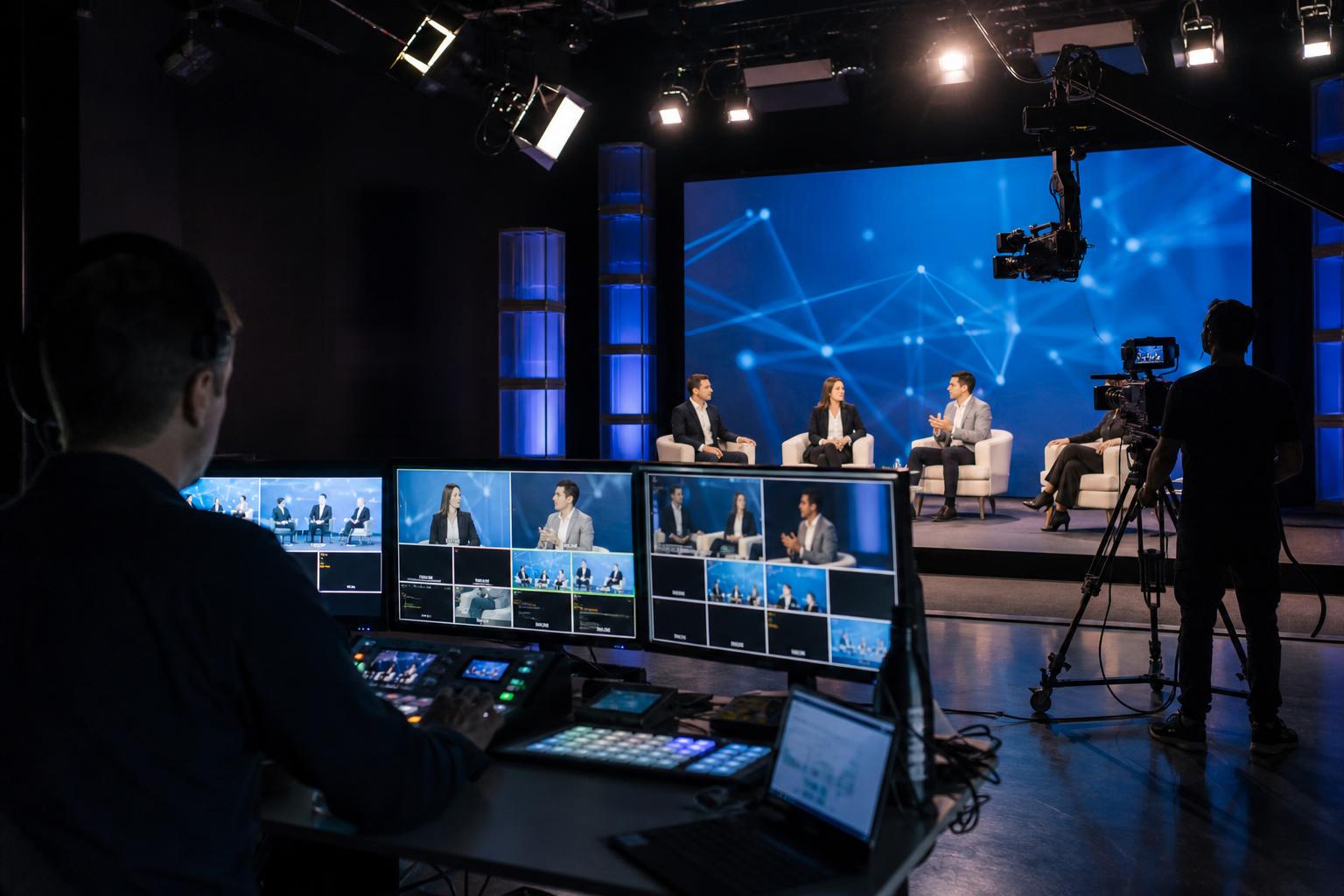
High production value is not about looking flashy. In virtual events, it is the practical difference between an audience that stays focused and one that drifts away. When attendees are joining from busy offices, home environments, or on the move, every distraction competes for their attention. Clear audio, stable video, confident pacing, and well-timed visuals… Continue reading Why high production value matters in virtual events
The difference between professional and DIY webcasts
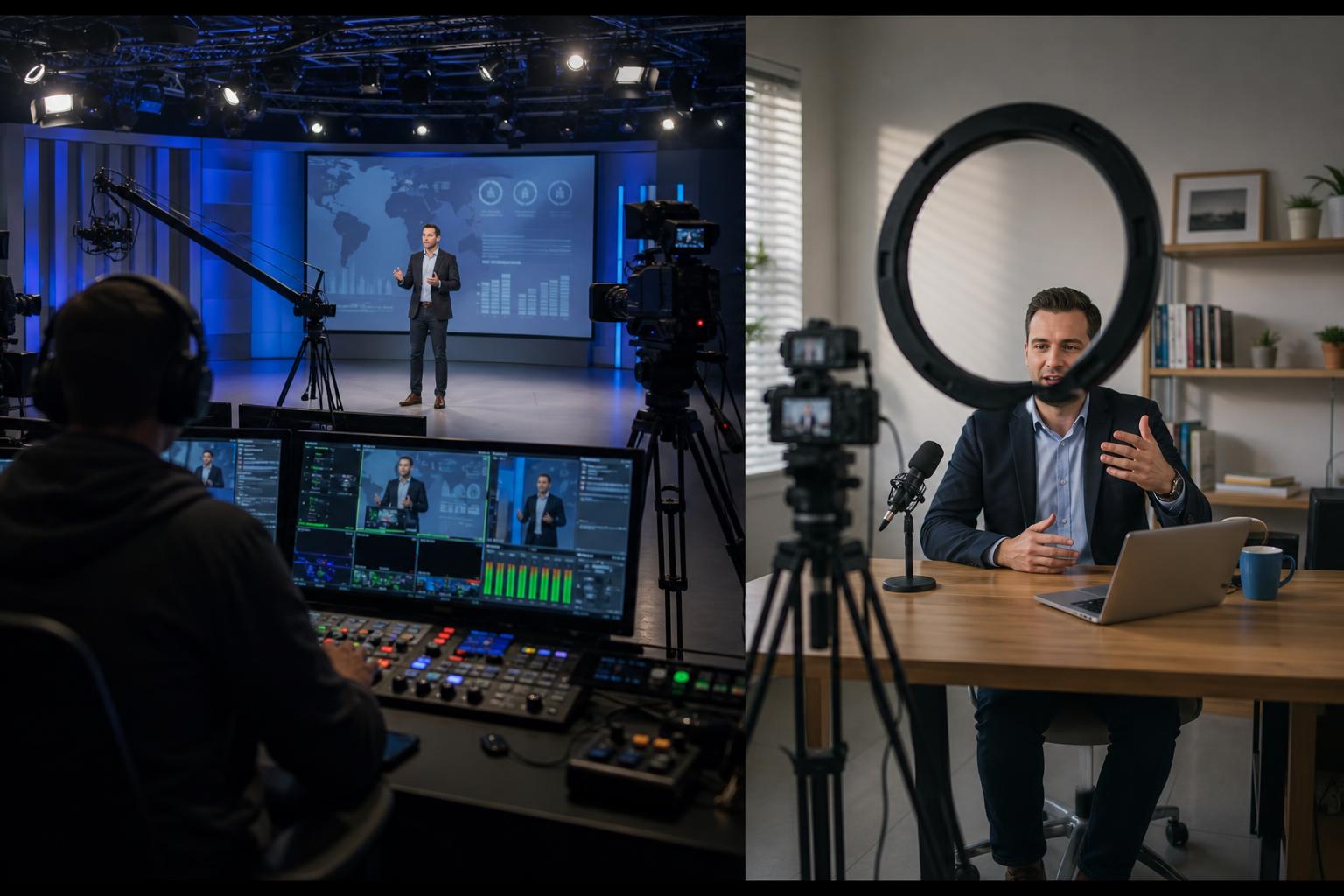
DIY webcasts and professional webcasts can both “work”, but they rarely deliver the same outcomes. The difference is not just about nicer graphics or more expensive kit. It is about reliability, audience experience, and whether the webcast supports your message rather than distracting from it. A DIY webcast is typically built around convenience. One person… Continue reading The difference between professional and DIY webcasts