
Start with your audience’s day, not your diary
The “best” time to go live is rarely a universal answer. It depends on who you need to reach, what you need them to do, and how you want them to feel during the session. A time that suits internal stakeholders can be a poor fit for attendees who are juggling school runs, client meetings, shift patterns, or commuting. Begin by mapping your primary audience segments and asking a simple question: when are they most able to give you their full attention?
Define success before you pick a time
Different outcomes favour different times of day. If your goal is high attendance, you may prioritise convenience. If your goal is participation, you may choose a time when people are less rushed. If your goal is conversions or decision-making, you may want a slot that gives attendees time afterwards to act. Be clear on what matters most, then let that steer the schedule.
Consider attention and energy levels across the day
Most people have predictable peaks and dips in focus. Late morning is often strong for learning and decision-making, while early afternoon can be a challenging period for sustained attention. Late afternoon can work well for shorter, punchier sessions, particularly if you can keep the pace moving. If your content is complex, choose a time when your audience is likely to be mentally fresh, and keep the session length realistic for the slot.
Match the time to the format
Not all live events place the same demands on attendees. A keynote-style broadcast with minimal interaction can work at times when people are likely to be multitasking, whereas workshops, training, and Q&A sessions benefit from quieter periods when participants can be on camera, speak up, and engage with polls or chat. If you want cameras on and meaningful discussion, avoid times when attendees are likely to be in transit or between back-to-back meetings.
Think about time zones and where “prime time” really is
If your audience spans the UK, Europe, and North America, there may be no perfect slot, only trade-offs. A mid-afternoon UK start can overlap with European working hours and catch North America in the morning. For global audiences, consider running two live showings, or a live event plus a scheduled replay with a live chat and moderated Q&A. If you do pick one time, be transparent about why and make it easy for those who cannot attend to still get value.
Use calendar reality: avoid the busiest meeting windows
Many organisations naturally stack meetings at the top and bottom of the hour, and around lunch. Starting at five past or ten past can reduce late arrivals and help people switch context. Likewise, a 45-minute session can be easier to accommodate than a full hour. If your audience is corporate, avoid common internal clash points such as Monday mornings (planning) and Friday afternoons (wrap-up), unless your content is designed to suit those moments.
Factor in accessibility and inclusion
Time choice can unintentionally exclude people. Caregivers may struggle with early mornings and late afternoons. Shift workers may need sessions outside standard office hours. International attendees may face unsociable times. Where possible, offer options: an on-demand recording, a highlights edit, or a follow-up live Q&A at a different time. Also consider captioning and clear joining instructions, so those who attend can participate fully regardless of environment.
Align with the topic and the attendee mindset
Some subjects benefit from a “fresh start” feel, while others work better when people are settled into their day. For example, strategic updates and training often land well in the morning when attention is higher. Community sessions, panel discussions, and lighter thought leadership can work later in the day when attendees are more open to conversation. If your event includes a call to action, schedule it so attendees can act soon after the session rather than letting momentum fade overnight.
Plan for the production, not just the agenda
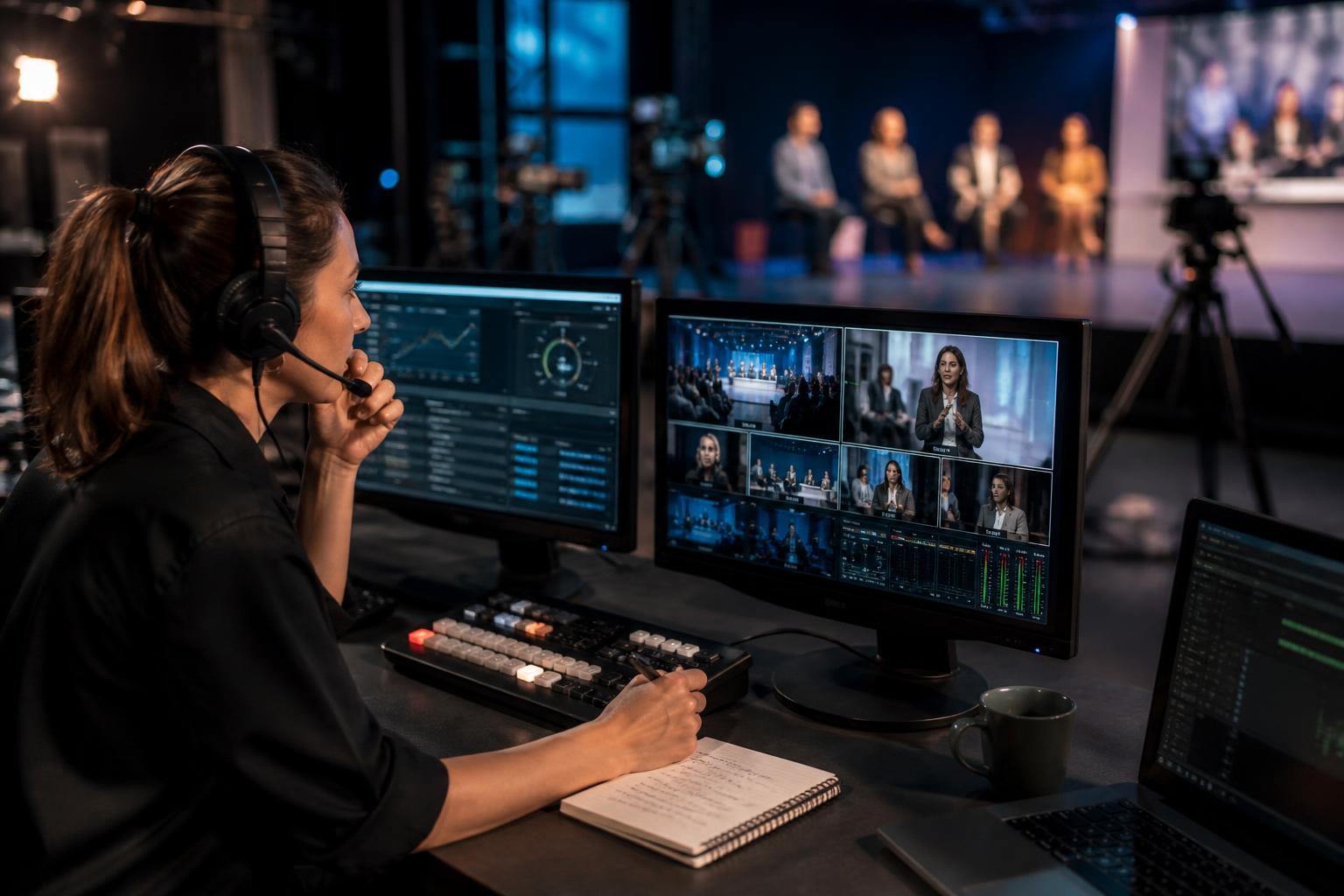
Live events have operational needs: speaker briefings, tech checks, rehearsal time, and contingency planning. A start time that looks perfect on paper can become risky if it compresses your run-up and increases the chance of last-minute issues. Build in enough time for contributors to join early, check audio and lighting, confirm slides, and test any pre-recorded inserts. A smoother production improves confidence, which improves delivery, which improves audience experience.
Test, measure, and iterate
If you have the option, treat timing as a variable you can improve over time. Compare attendance rate (registrations to live attendees), average watch time, peak concurrent viewers, question volume, poll completion, and drop-off points. Segment results by region and role if you can. Even small changes, such as shifting by 30 minutes or adjusting session length, can materially improve outcomes. When you invite feedback, ask specifically about timing and what would make it easier to attend live.
Have a plan for those who cannot make it
Even with the best timing, some people will miss the live session. Make the experience resilient by offering a recording quickly, sharing key takeaways, and providing a way to submit questions afterwards. If interaction is central, consider a follow-up segment, a short “ask me anything” slot, or a second showing for another region. This not only increases reach, it respects your audience’s time and constraints.
Make the time decision early and communicate it clearly
Once you choose a time, help people commit. Send calendar invites, state the time zone clearly (for example, “14:00 BST”), and remind attendees what they will get from attending live. If you are mixing live speakers, slides, video, captions, and interactive elements, share expectations: whether cameras are needed, how Q&A will work, and how to get support if they cannot join.
Ready to schedule with confidence?
Choosing the right time of day is about balancing audience attention, global access, and production realities, then supporting the live moment with a great experience and a strong follow-up. If you want help planning and delivering a polished live remote event, with live Zoom feeds mixed with titles, captions, slides, pre-recorded video and interactivity, and streamed to multiple platforms, explore our services at https://enbecom.tv and get in touch to discuss your next webcast.